Energy Vampires: Which Devices Drain Power Even When Off
Tech News
Energy vampires are devices that keep using electricity even when they look turned off. These hidden power drains quietly raise electricity bills and waste energy every day.
Most of us do not realize how many everyday devices pull power nonstop. Small amounts seem harmless, but over time they add up. Learning how energy vampires work makes it easier to cut wasted electricity without changing daily habits.
What Energy Vampires Mean in Everyday Homes
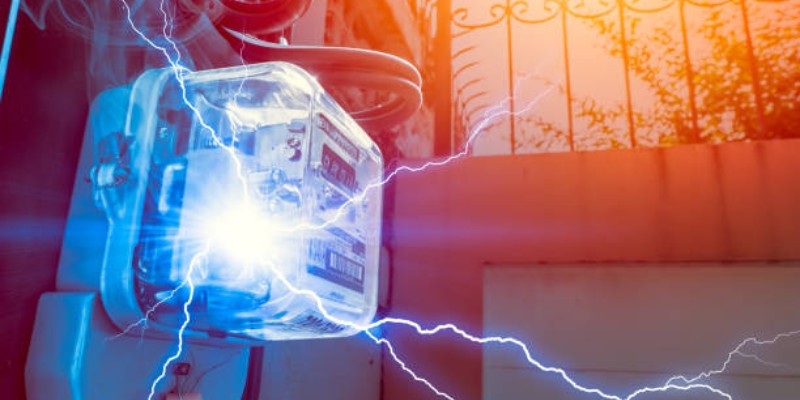
Energy vampires are electronics that draw electricity while switched off or in standby mode. They stay partially active to respond quickly when needed. This constant energy use happens quietly and often goes unnoticed.
Most modern homes have many energy vampires. Televisions, chargers, and smart devices are common examples. Each one uses a little power, but together they create ongoing electricity waste that increases monthly costs.
Why Devices Still Use Power When Turned Off
Many devices never fully shut down. Standby power keeps internal parts active so devices can turn on faster. Memory chips, clocks, sensors, and network connections all require electricity to stay ready.
Convenience features make energy vampires more common. Instant-on buttons, remote controls, and automatic updates depend on constant power. Even when a screen is dark, the device may still be working quietly in the background.
Common Energy Vampires Found in Most Homes
TVs, Streaming Boxes, and Game Consoles
Televisions and streaming boxes are major energy vampires. They stay connected to the internet, waiting for updates or remote signals. Game consoles often remain in low-power mode to resume games quickly.
These devices use standby power all day and night. Even when unused, indicator lights and background processes continue draining electricity steadily.
Phone Chargers and Power Adapters
Chargers draw power whenever they are plugged in, even without a phone attached. Cheap or poorly designed chargers waste more electricity than certified ones.
Phone chargers are common energy vampires because they stay plugged in constantly. The power loss is small but continuous, especially when several chargers are left connected.
Computers, Laptops, and Accessories
Computers in sleep mode still consume electricity. Monitors, printers, and external drives often stay partially powered even when not in use.
Many accessories never fully shut off unless unplugged. These devices quietly add to electricity waste through constant standby power.
Kitchen Appliances With Digital Displays
Microwaves, coffee makers, and electric kettles use electricity to run clocks and control boards. Digital displays require nonstop power.
These appliances may seem inactive, but their displays make them steady energy vampires throughout the day.
Smart Home Devices and Wi-Fi Equipment
Routers, modems, and smart speakers are always on. They rely on constant connectivity to function properly.
Smart devices are some of the strongest energy vampires because they cannot fully shut down without losing their main purpose.
How Much Electricity Energy Vampires Actually Waste
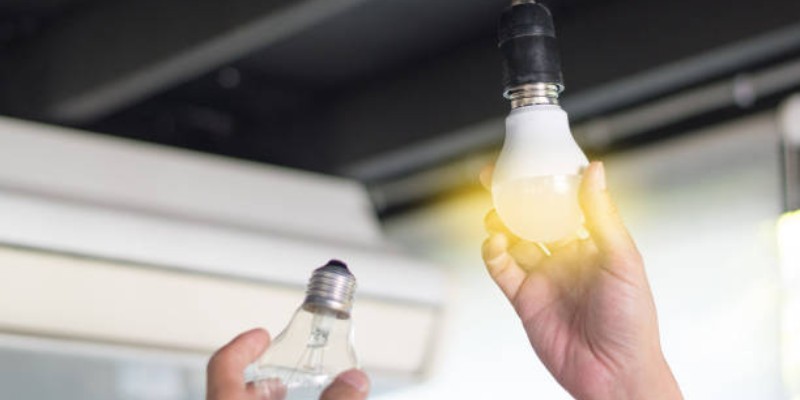
Each energy vampire uses a small amount of power. Over a year, this adds up to noticeable electricity waste. Homes with many devices feel the impact more clearly.
The extra cost appears slowly on electricity bills. Many households pay for wasted energy without realizing where the power is going.
Organizations like the U.S. Department of Energy highlight how standby power increases household energy use over time.
Signs That Energy Vampires Are Raising Your Power Bill
Electricity bills may rise even when usage habits stay the same. This often points to hidden energy vampires.
Warm plugs, glowing indicator lights, and devices that never fully shut down are common signs. Constant background power use keeps adding to electricity waste day and night.
How to Identify Energy Vampires in Your Home
Visual and Physical Checks
Look for small lights, glowing displays, or warm adapters. These are clear signs that a device is still drawing power.
If a plug feels warm, electricity is flowing. Energy vampires often reveal themselves through heat or constant lights.
Using Electricity Usage Meters
Plug-in meters show how much power a device uses when off. This makes energy vampires easy to spot.
Meters help compare devices and identify the biggest sources of standby power in the home.
Reading Smart Meter Patterns
Smart meters show electricity use during inactive hours. High nighttime usage usually means energy vampires are active.
Utility providers like National Grid explain how baseline power consumption reflects standby power drain.
Simple Ways to Stop Energy Vampires
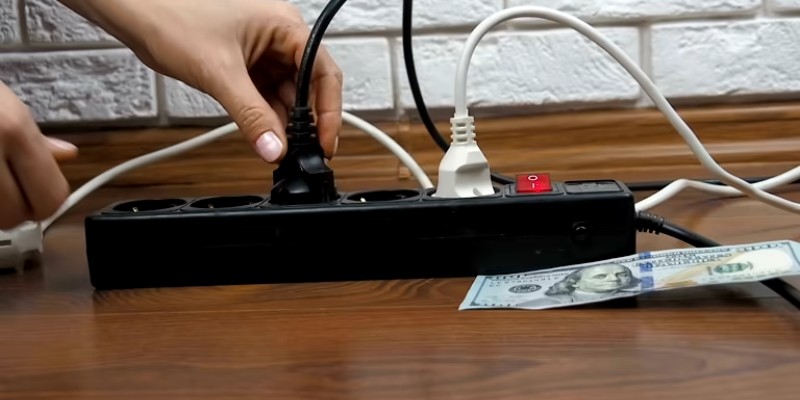
Unplugging unused devices is the simplest solution. Power strips make this easier by cutting power to multiple devices at once.
Turning devices fully off instead of using sleep mode reduces standby power. Small habit changes lower electricity waste without affecting convenience.
Smart Tools That Reduce Standby Power Drain
Smart Plugs and Timers
Smart plugs automatically shut off power during set hours. They prevent energy vampires from running nonstop.
These tools work well for entertainment systems and chargers used only at certain times.
Advanced Power Strips
Advanced strips cut power to devices when the main device turns off. This stops standby power completely.
They are effective for home offices and media centers with multiple electronics.
Energy-Efficient Device Settings
Many devices include eco or low-power settings. Disabling instant-on features reduces energy vampire activity.
Manufacturers and consumer groups like ENERGY STAR promote settings that lower standby power use.
Are Energy Vampires Worth Worrying About
Energy vampires matter most in homes with many electronics. The more devices present, the higher the electricity waste.
Addressing energy vampires is low effort with long-term benefits. Small actions lead to steady savings without major lifestyle changes.
Energy Vampires and Long-Term Electricity Costs
Electricity prices rise over time. Energy vampires become more expensive as rates increase.
Reducing standby power protects households from long-term electricity waste. Awareness today prevents higher costs in the future.
Living With Fewer Energy Vampires at Home
Energy vampires are easy to overlook but simple to control. Understanding how devices drain power makes better energy choices possible.
Reducing energy vampires lowers electricity waste and keeps power bills stable. Small daily decisions make a lasting difference.
Sources
Share this article:
Recommended For You



Most Viewed

ADVERTISEMENT